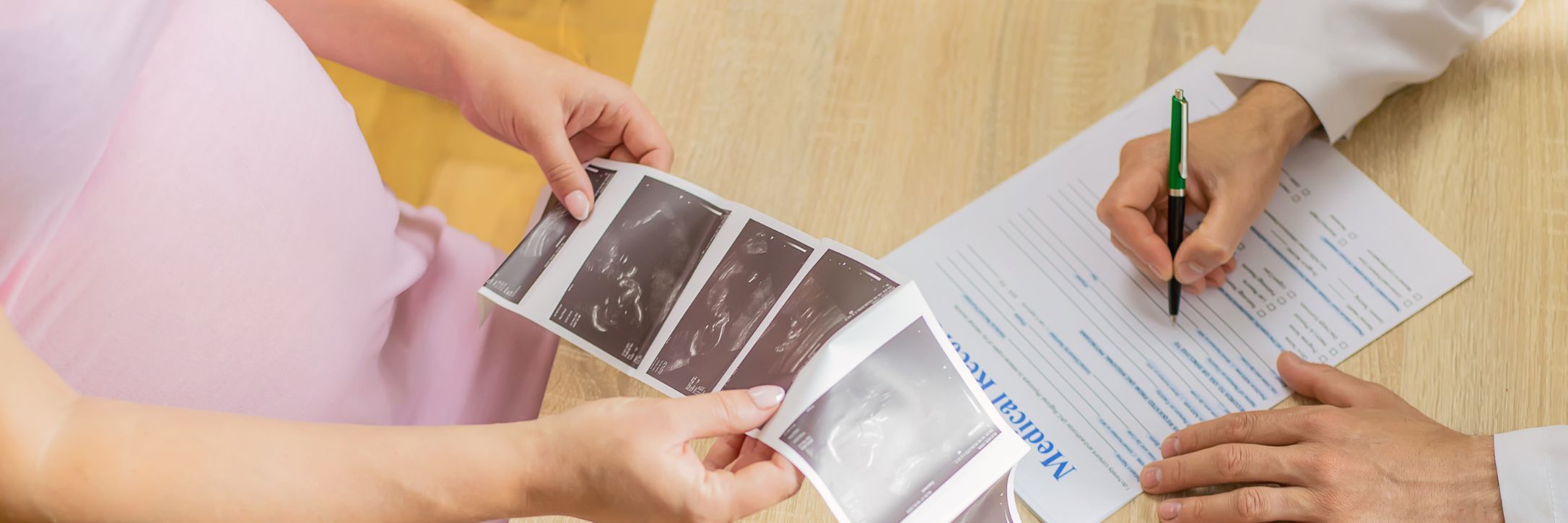
What Causes Cramping Without a Period?
October 27, 2026
October 27, 2026
Quick Answer: Cramps but no period can happen when your period is about to begin, during ovulation, in early pregnancy, or because of conditions such as ovarian cysts, infections, or digestive problems. If pregnancy is possible, take a home test at the appropriate time. Severe, persistent, or unusual pain needs medical assessment.
Cramping usually makes you expect menstrual bleeding to follow. When that bleeding does not arrive, however, it can be difficult to tell whether your cycle is simply delayed or something else is causing the discomfort. Cramps but no period have several possible explanations, ranging from normal hormonal changes to pregnancy or gynaecological conditions.
The timing and location of the pain can provide useful clues. Doctors also consider whether your period is late, pregnancy is possible, discharge has changed, or urinary or digestive symptoms are present.
At Motherland Hospital, the Obstetrics & Gynaecology team evaluates menstrual, hormonal, pelvic, and reproductive concerns to identify the likely cause and determine whether further testing or treatment is needed.
Cramping without a period refers to lower abdominal or pelvic discomfort that resembles menstrual pain but occurs without menstrual bleeding. It may feel dull, aching, tight, or occasionally sharp.
Not every lower abdominal cramp originates from the uterus. The ovaries, urinary tract, bowel, pelvic muscles, and other nearby structures can produce discomfort that feels similar to period pain. The timing of symptoms and any accompanying changes therefore matter when identifying the cause.
Period pain but no bleeding does not point to one specific condition. Your period may simply be approaching, ovulation may have occurred later than usual, or hormonal changes may have altered your cycle.
Pregnancy, ovarian conditions, infections, and digestive problems can also produce menstrual-like discomfort. If the symptom is new, recurrent, or accompanied by other changes, the wider pattern is more informative than cramping alone.
Several reproductive and non-reproductive conditions can produce menstrual-like cramps without bleeding. The most likely explanation depends on where you are in your cycle and what other symptoms occur.
Cramps may begin before menstrual bleeding actually starts. Hormonal changes and uterine contractions can produce discomfort several hours or days before a period.
If you have stomach pain but your period is not coming, the cycle may simply be running slightly later than expected. Stress, illness, sleep changes, travel, weight changes, and delayed ovulation can all influence cycle timing.
Ovulation can cause temporary lower abdominal pain, particularly on one side. This mid-cycle discomfort is sometimes called mittelschmerz.
If ovulation happens later than usual, the next period also arrives later. You may therefore experience cramping at an unexpected point in the cycle.
Mild pelvic cramping can occur in early pregnancy, but cramps alone cannot confirm pregnancy. Early hormonal changes may produce sensations similar to premenstrual discomfort. A missed period is a better reason to take a pregnancy test than symptoms alone.
Some ovarian cysts cause pelvic pressure, aching, or one-sided cramps. Many cysts, however, produce no symptoms and disappear without treatment.
Sudden severe one-sided pain, especially with nausea or vomiting, should not be assumed to be routine menstrual cramping.
Endometriosis can cause pelvic pain even when menstrual bleeding is not occurring. Pain may occur before or during periods, during intercourse, or at other times in the cycle.
Symptoms vary considerably, so assessment is important when pelvic pain repeatedly interferes with daily activities.
PCOS can delay or disrupt ovulation, leading to irregular or missed periods. Some people may also experience pelvic discomfort, although cramping is not by itself diagnostic of PCOS.
Acne, excess facial or body hair, weight changes, or persistently irregular cycles may provide additional clues.
Urinary or reproductive tract infections can sometimes feel like period cramps. A urinary tract infection may cause burning while urinating, urgency, or lower abdominal discomfort.
Pelvic inflammatory disease can cause pelvic pain alongside abnormal discharge, pain during sex, irregular bleeding, or fever. These symptoms warrant medical evaluation.
Bowel problems can closely mimic menstrual cramps because the digestive and reproductive organs occupy the same lower abdominal area. Gas, constipation, diarrhoea, or irritable bowel syndrome may therefore cause pain when no period appears.
Changes in bowel habits can help distinguish digestive discomfort from menstrual symptoms.
An intrauterine device can cause cramping, particularly after insertion. Some hormonal IUDs may also make periods lighter or stop them altogether. New, severe, or persistent pain should be assessed rather than automatically attributed to the device.
Recurring pelvic cramps without an obvious menstrual explanation may sometimes reflect an underlying gynaecological condition. The pattern of pain, menstrual changes, discharge, and other symptoms helps determine which conditions need investigation.
|
Condition |
Possible accompanying clues |
|
Ovarian cyst |
One-sided pain, pressure or bloating |
|
Endometriosis |
Recurrent pelvic pain, painful periods or intercourse |
|
PCOS |
Irregular, delayed or absent periods |
|
PID |
Pelvic pain, unusual discharge, fever or pain during sex |
|
Fibroids or adenomyosis |
Pelvic pressure, painful or unusually heavy periods |
These symptoms overlap, so they should not be used for self-diagnosis.
Period pains but no period could occur during early pregnancy, but they are not a reliable pregnancy sign on their own. PMS and early pregnancy can both cause cramping, breast tenderness, fatigue, bloating, and mood changes. A pregnancy test is the simplest way to clarify whether pregnancy is responsible.
Most home pregnancy tests are most reliable from the first day of a missed period. If you are unsure when your period was due, testing at least 21 days after unprotected sex can provide a more useful result. Testing too early may produce a negative result because pregnancy hormone levels are still low.
Cramps but no period with a negative pregnancy test may result from PMS, delayed ovulation, hormonal fluctuations, PCOS, or another pelvic or digestive cause.
If the test was taken very early, repeat it after a few days. Persistent missed periods despite negative tests should be discussed with a healthcare professional.
A late period with cramping frequently means the menstrual cycle has shifted rather than stopped completely. Pregnancy is another possibility, particularly after unprotected sex.
Being two to five days late can fall within normal cycle variation. Stress, illness, hormonal changes, travel, or late ovulation may delay bleeding.
If you are thinking, “my period is late, and I have cramps,” pregnancy testing is reasonable if pregnancy is possible.
A period that remains absent for a week or longer despite negative pregnancy tests may need further attention if this is unusual for you.
PCOS, thyroid problems, major weight changes, stress, excessive exercise, and other hormonal factors can alter menstruation.
Cramps and white discharge but no period can occur with normal hormonal changes or early pregnancy. Clear or white discharge without a strong odour, itching, or irritation can be physiological.
Discharge that becomes foul-smelling, green, yellow, blood-stained, or associated with pelvic pain or fever needs assessment.
Associated symptoms can provide important clues about what is causing cramping. Pay attention to the location, severity, duration, and whether the discomfort follows a recurring cycle pattern.
White discharge may be normal when it is mild and not associated with irritation or an unpleasant smell. Changes in colour, smell, consistency, or accompanying pain may suggest infection.
Lower abdomen and back pain but no period may occur with PMS, pregnancy, urinary conditions, endometriosis, or musculoskeletal pain. Persistent or worsening symptoms should be evaluated rather than repeatedly attributed to menstruation.
One-sided cramps can occur during ovulation, but ovarian cysts and other pelvic conditions can cause similar symptoms. Sudden or severe unilateral pain requires prompt medical attention.
Pelvic cramping may feel as though it comes from the vagina even when the source lies higher in the pelvis. Recurrent pressure, pain during intercourse, urinary symptoms, or abnormal discharge should be discussed with a gynaecologist.
Breast tenderness alongside cramps can occur with both PMS and early pregnancy. Because the symptoms overlap substantially, pregnancy testing is more reliable than trying to distinguish the two from symptoms alone.
Diagnosis starts with understanding when the cramps occur, whether pregnancy is possible, and what other symptoms are present. There is no single test used for everyone with period-like pain.
Depending on the clinical findings, evaluation may include:
At Motherland Hospital, gynaecological evaluation may include clinical assessment and investigations such as ultrasound or blood tests when indicated. The appropriate tests depend on the suspected cause.
Severe cramps but no period should be assessed promptly when the pain is sudden, worsening, or accompanied by other concerning symptoms. Some urgent pelvic conditions can initially resemble menstrual pain.
Seek urgent medical care for:
Severe pelvic pain during possible pregnancy requires urgent assessment because ectopic pregnancy must be excluded.
See a gynaecologist when cramps keep returning, your menstrual pattern changes significantly, or symptoms interfere with normal activities. Persistent pain deserves evaluation even when it is not severe.
Consultation is also appropriate for repeatedly missed or irregular periods, abnormal vaginal discharge, painful intercourse, urinary symptoms, fertility concerns, or unexplained pelvic and back pain.
Motherland Hospital provides evaluation and treatment for menstrual, hormonal, reproductive, and other gynaecological concerns. Care is planned according to the underlying diagnosis rather than treating pelvic cramps as a single condition.
The Obstetrics & Gynaecology department manages conditions including menstrual abnormalities, PCOS, ovarian cysts, endometriosis, fibroids, abnormal vaginal discharge, infertility, and other pelvic concerns.
Diagnostic assessment may involve examination, blood tests, imaging, and further investigations where clinically appropriate. Laparoscopic and hysteroscopic procedures are also available for selected conditions that require surgical management.
Cramps but no period can have many explanations, from an approaching period or delayed ovulation to pregnancy, digestive problems, infections, or gynaecological conditions. The timing, location, severity, and associated symptoms can help identify what may be happening.
Take a pregnancy test when pregnancy is possible and your period is late. Recurrent cramping, unusual discharge, persistent menstrual irregularity, or worsening pain should be medically assessed. Sudden severe pain, fainting, heavy bleeding, or significant pain during possible pregnancy requires urgent evaluation. Treatment ultimately depends on identifying the underlying cause rather than the cramping alone.
Cramps without a period may occur before menstruation, during ovulation, with hormonal changes, pregnancy, digestive problems, ovarian cysts, or infections. Consider where you are in your cycle and seek medical advice if symptoms persist or worsen.
Yes, mild period-like cramps can occur in early pregnancy, although they do not confirm pregnancy. If your period is late and pregnancy is possible, take a home pregnancy test from the first day of the missed period.
Pregnancy is possible, but a four-day delay can also result from normal cycle variation, stress, illness, or delayed ovulation. If pregnancy is possible, take a home test and repeat it after several days if initially negative.
You may have tested too early, ovulated later than expected, or experienced a delayed cycle for another reason. Repeat the test after a few days if pregnancy remains possible and seek assessment if your period stays absent.
Mild white discharge with cramping can occur with hormonal changes, an approaching period, or pregnancy. Discharge that has a strong odour, unusual colour, itching, fever, or increasing pelvic pain may indicate infection and needs medical assessment.
Mild temporary discomfort can occur before a period or around ovulation, but lower abdominal and back pain has many possible causes. Persistent, recurrent, or worsening pain should be assessed, particularly when accompanied by urinary, digestive, or gynaecological symptoms.
One-sided cramps may occur during ovulation and can alternate sides between cycles. Ovarian cysts, digestive problems, and other pelvic conditions can produce similar pain. Sudden severe one-sided pain, especially with nausea or weakness, needs prompt assessment.
They can be. Menstrual cramps may begin before bleeding as hormonal changes trigger uterine contractions. However, pregnancy, ovulation, digestive conditions, and gynaecological problems can cause similar discomfort, so persistent symptoms should not automatically be assumed to be PMS.
Seek urgent assessment if cramps become severe or sudden or occur with fainting, dizziness, heavy bleeding, fever, persistent vomiting, or shoulder-tip pain. Significant pelvic pain with a positive pregnancy test or possible pregnancy also requires prompt medical evaluation.
Yes. Cramping can occur after IUD insertion, and hormonal IUDs may make menstrual bleeding lighter or absent. New, severe, or persistent pain should be evaluated to check the device position and rule out another pelvic condition.
Our experts will contact you shortly.

October 27, 2026
Quick Answer: No, you cannot reliably reuse a pregnancy test. Home pregnancy tests are designed for...
Read More
October 27, 2026
A change in body odour during pregnancy can be surprising, especially when familiar smells suddenly...
Read More